
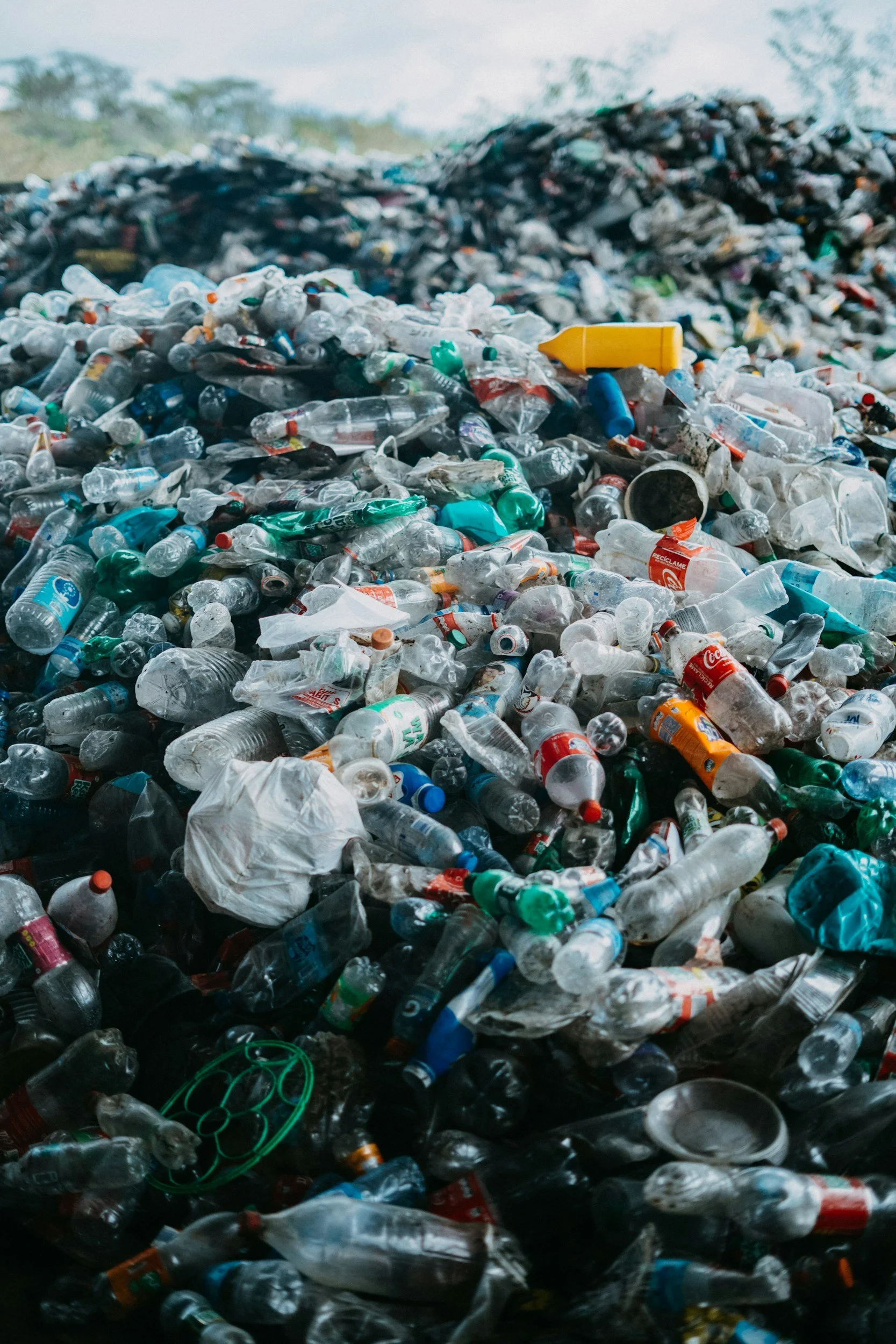
THE TRUTH ABOUT THE PLASTIC CRISIS
A global problem we can’t ignore.

Plastics are made from fossil fuels—resources that took millions of years to form but are often used once and thrown away. Their production is a major source of pollution, responsible for about 5.3% of global greenhouse gas emissions. From extraction to manufacturing, the process is highly polluting—and even before products are made, trillions of tiny plastic pellets (“nurdles”) leak into the environment, spreading contamination worldwide.
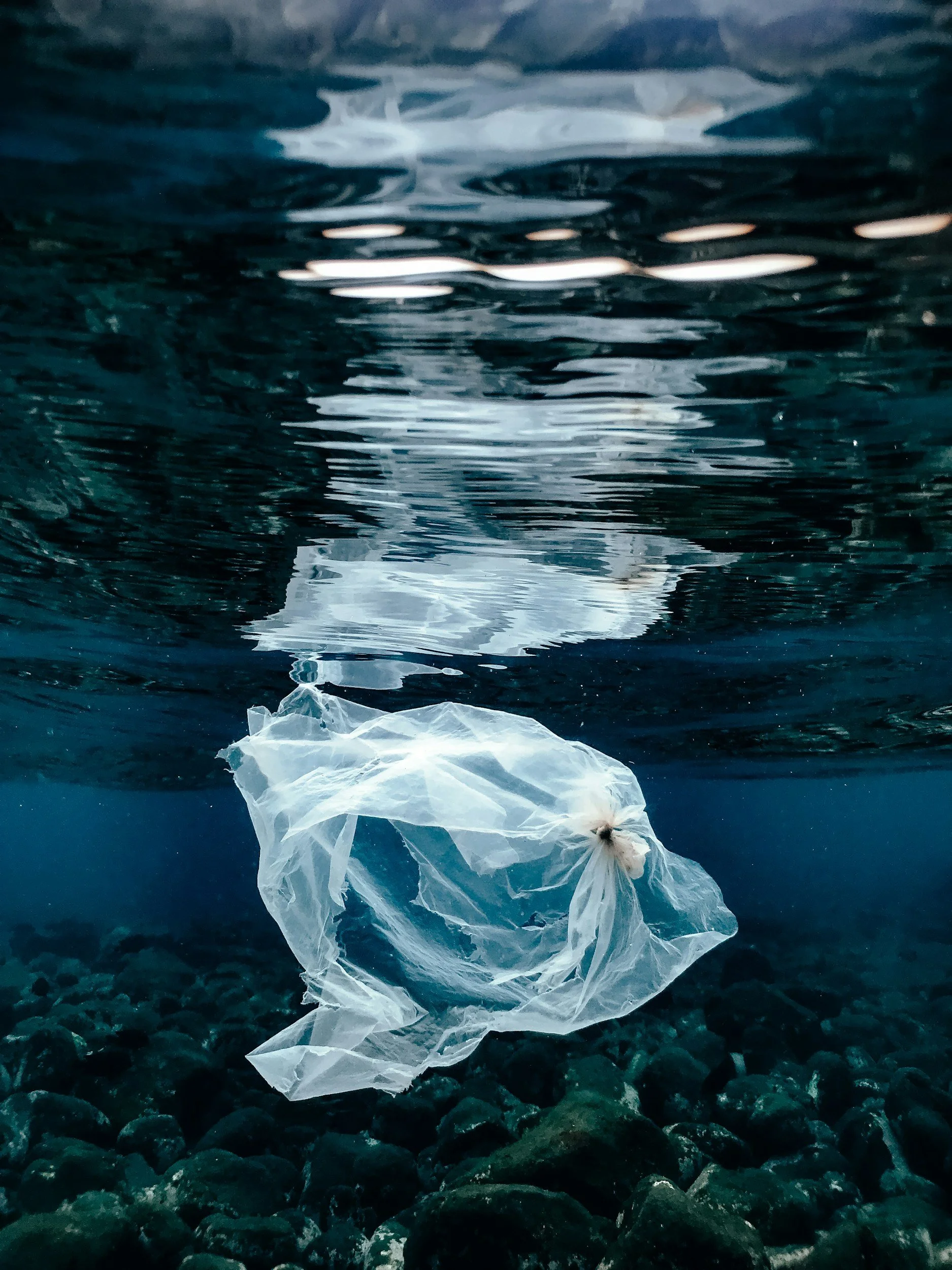
PLASTIC PRODUCTION STILL RISING DESPITE KNOWN RISKS
Despite growing evidence of harm, plastic production is not slowing down—it’s accelerating. Global waste is projected to reach 1.7 billion metric tons by 2060, with staggering economic costs. Shockingly, about half of all plastics ever made were produced in just the last 15–20 years, meaning younger generations face far greater exposure to microplastics and chemical additives. While the industry promotes recycling as a solution, production continues to expand, deepening the crisis.
WHY DO WE STILL USE SO MUCH PLASTIC?
Plastics are everywhere because they are cheap, convenient, and deeply embedded in modern life. They are used in everything from clothing and carpets to medical supplies, car parts, food, packaging, and drinks. Their low cost is partly driven by a heavily subsidized fossil fuel industry, which has made mass production easy and encouraged their replacement of other materials—often for single-use purposes. While many plastic products are essential in modern society and make daily life more efficient, their widespread use has come at a significant environmental cost.
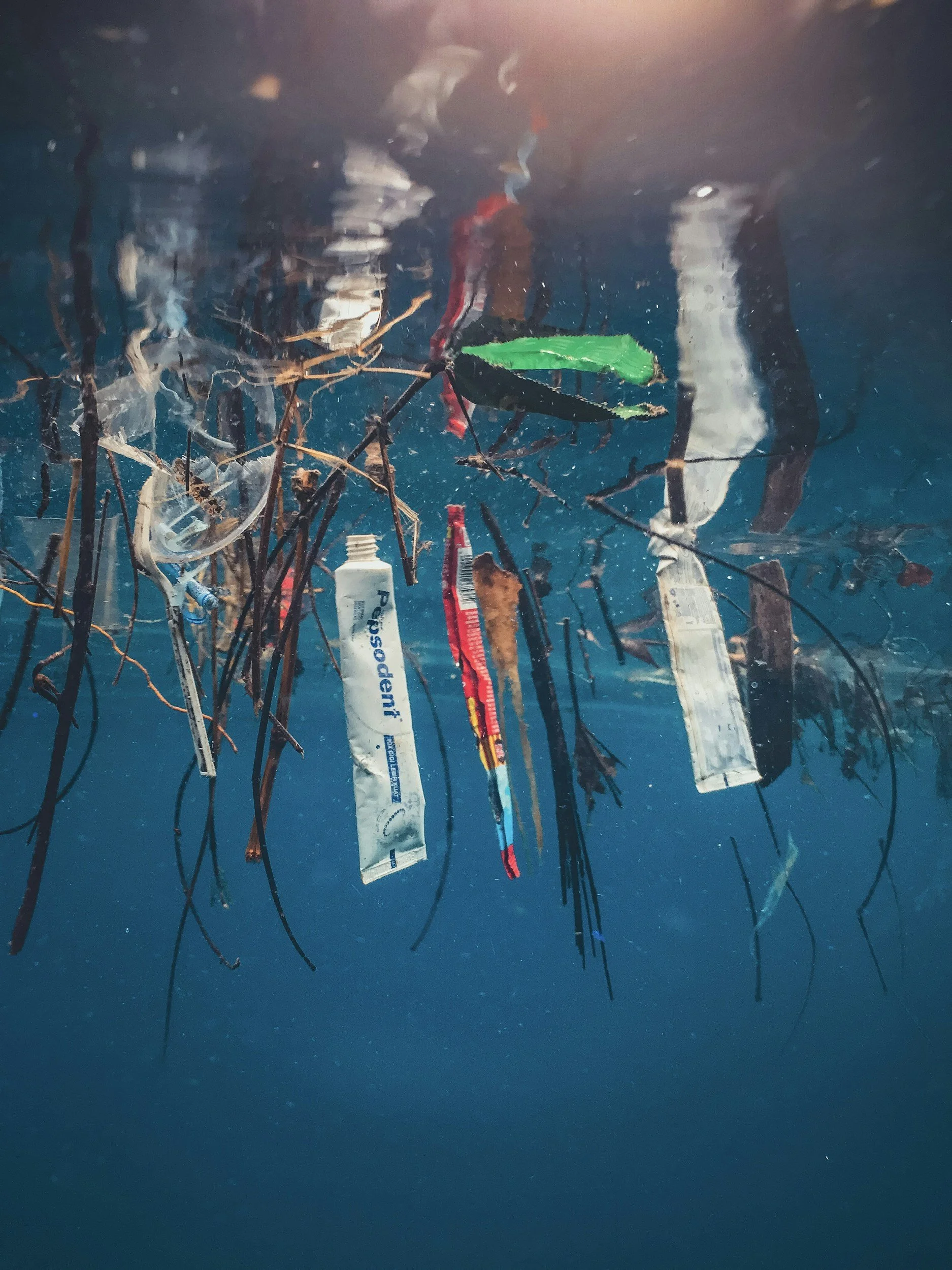
THE DANGER OF
SINGLE-USE PLASTICS
GLOBAL ENVIRONMENTAL IMPACT
Plastic waste affects ecosystems worldwide, with microplastics found from deep oceans to mountain peaks.
LIMITED RECYCLING REALITY
Most single-use plastics cannot be truly recycled and are often downcycled into lower-quality products before becoming waste.
UNSUSTAINABLE CONSUMPTION
Single-use plastics are not sustainable and encourage throwaway lifestyles.
OVERUSE OF FOSSIL FUEL-BASED PLASTICS
Society relies heavily on disposable plastics made from fossil fuels formed over millions of years, creating massive non-biodegradable waste and depleting natural resources.
HIDDEN TRUE COSTS
The low price of single-use plastics does not reflect their real environmental and social costs.

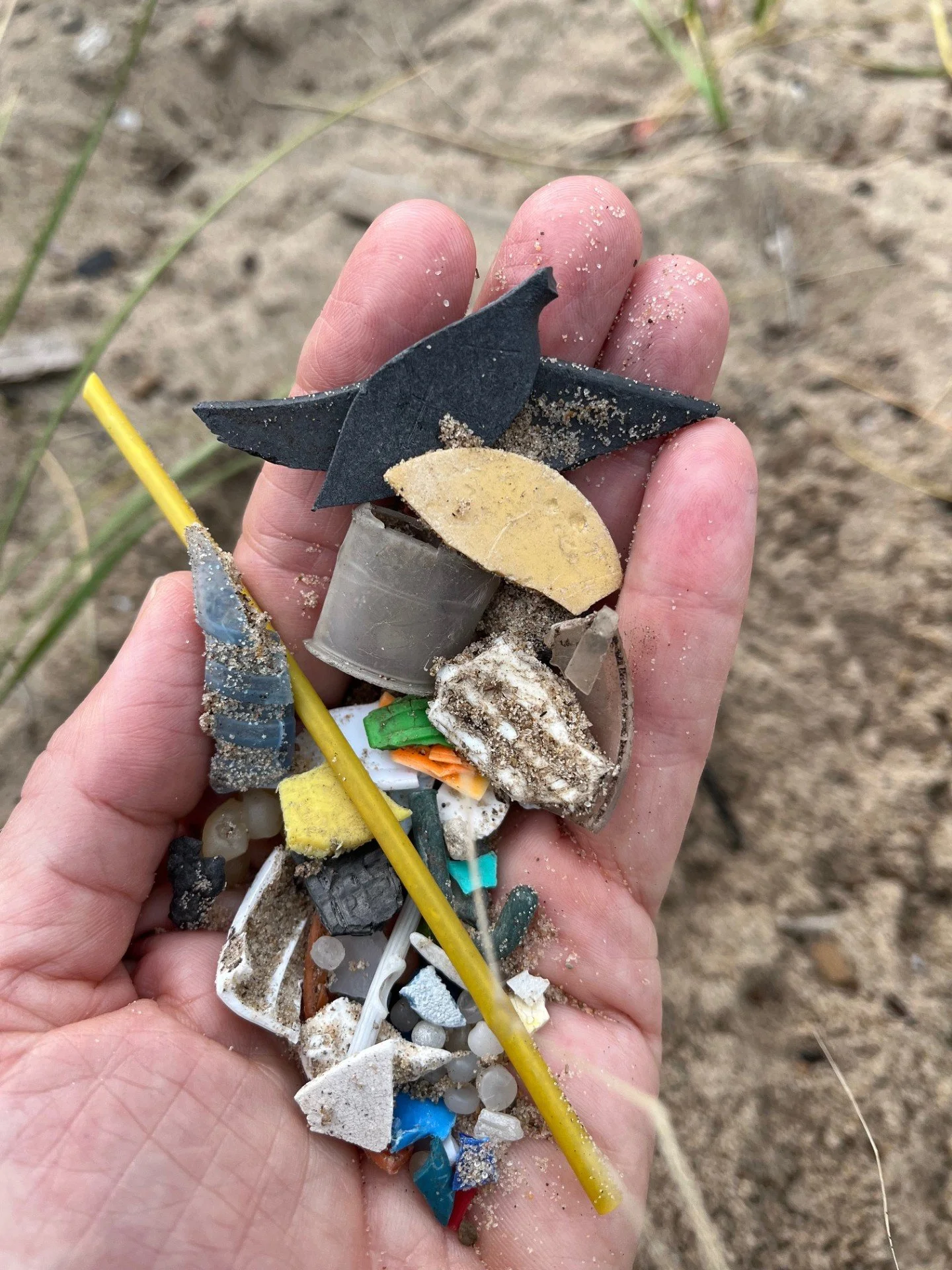
MICROPLASTICS &
HUMAN HEALTH RISKS
PLASTICS BREAK DOWN INTO TINY PARTICLES
Plastics are not stable—they break into microplastics and nanoplastics that are now found in water worldwide, including in bottled water.
WIDESPREAD CHEMICAL EXPOSURE
Plastics contain over 16,000 chemical additives, many of which may be toxic or cancer-causing. These chemicals can leach out over time, and full disclosure is not required.
RISING HEALTH CONCERNS
Research shows that exposure to plastic particles and chemical additives may harm human health. Studies are linking them to potential effects on the brain, heart, and other body systems.
A GROWING AREA OF SCIENCE
This is an expanding field of research, with new evidence continuing to reveal potential long-term health risks.
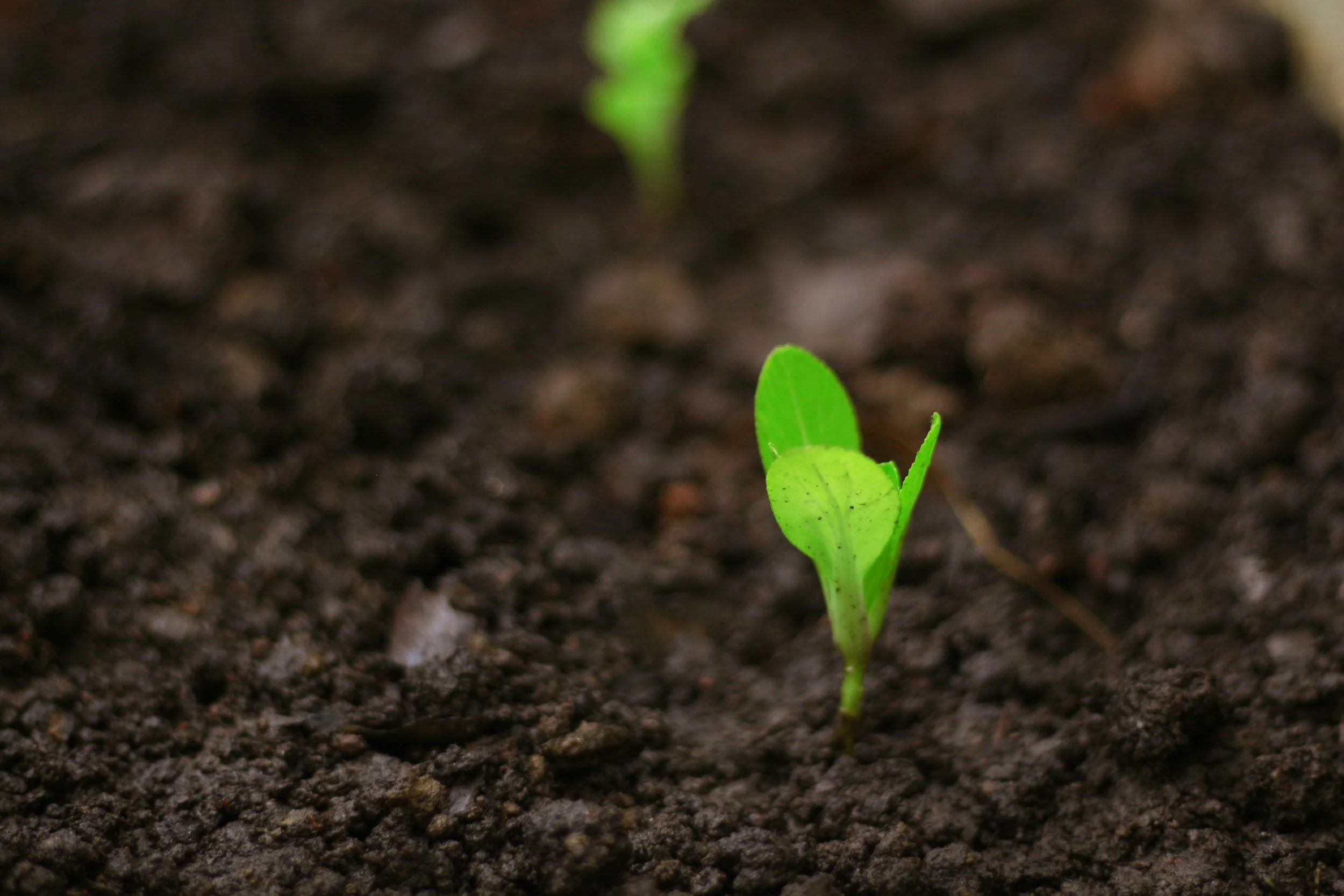
PROGRESS IS POSSIBLE
Many cities, states, and countries have successfully banned or restricted single-use plastics. These policies are effective at reducing plastic waste, and people quickly adapt by switching to reusable and alternative materials.
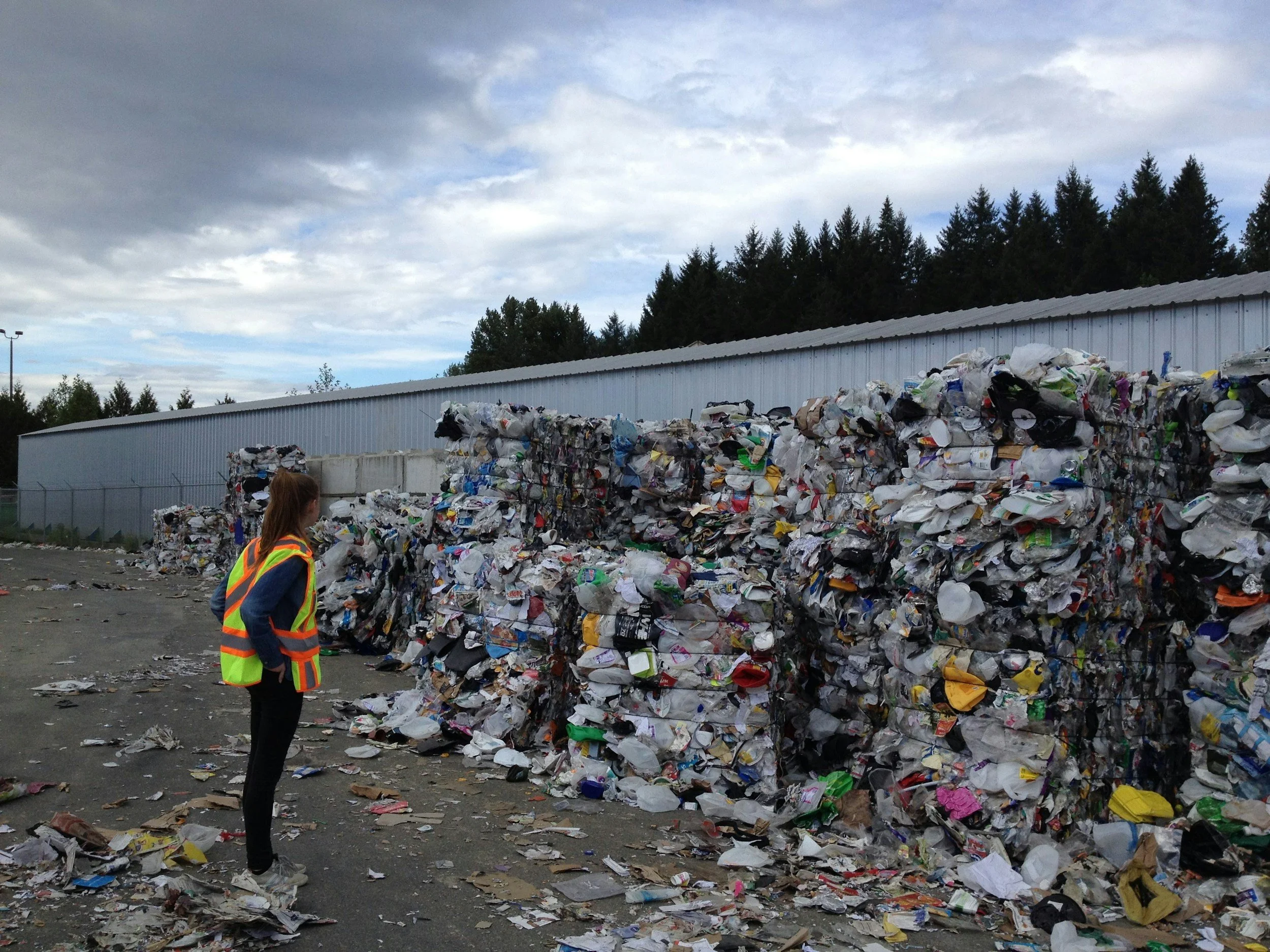
RECYCLING IS NOT ENOUGH
THE LIMITATIONS OF PLASTIC & CHEMICAL RECYCLING
Plastic recycling is often promoted as a solution to plastic pollution, but its impact is limited. Most plastic waste is never recycled because many plastics cannot be recycled at all. In fact, less than 9% of plastic waste is recycled, and much of that is turned into lower-quality products that eventually become waste themselves.
"Chemical recycling" has also been promoted as a solution, but the term covers a wide range of processes and is not well defined. Some methods convert plastics into fuels through energy-intensive processes that can generate pollution. Environmental organizations, including the Plastic Pollution Coalition, have raised concerns about whether chemical recycling can effectively address the plastic waste crisis. Learn more here: https://www.plasticpollutioncoalition.org/blog/2026/5/1/three-federal-bills-are-greenwashing-plastic-recycling-as-a-solution
Without reducing plastic production and use, recycling alone cannot solve the problem. Most plastic waste still ends up in landfills, incinerators, or the environment, where it can persist for decades or even centuries.