Advancing Knowledge in
PLASTIC POLLUTION RESEARCH
The Plastic Reduction Alliance is committed to advancing research and deepening understanding of plastic pollution. We use science-based insights to inform education, awareness, and action.
UNDERSTANDING PLASTIC
AT THE MICRO LEVEL
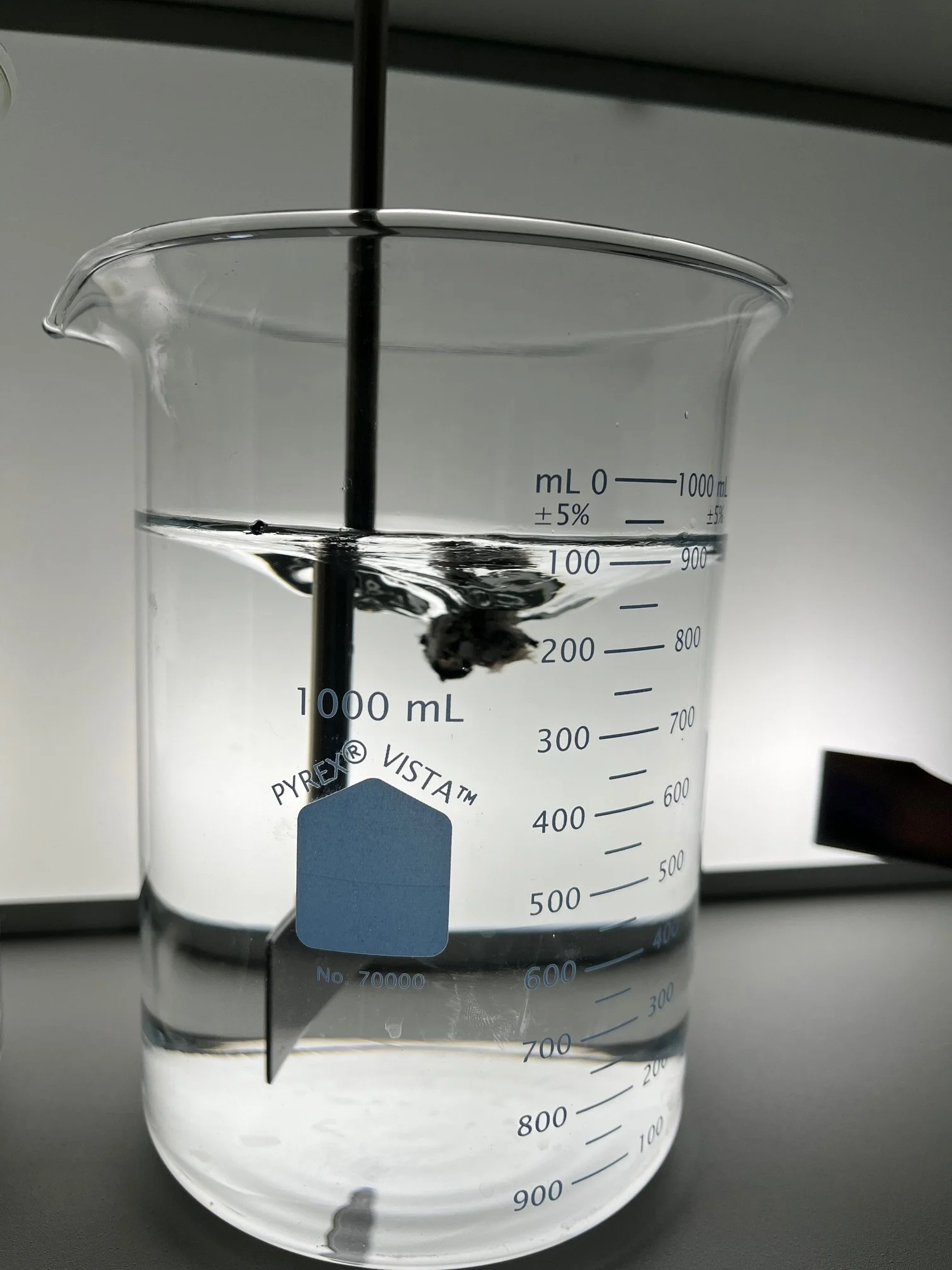
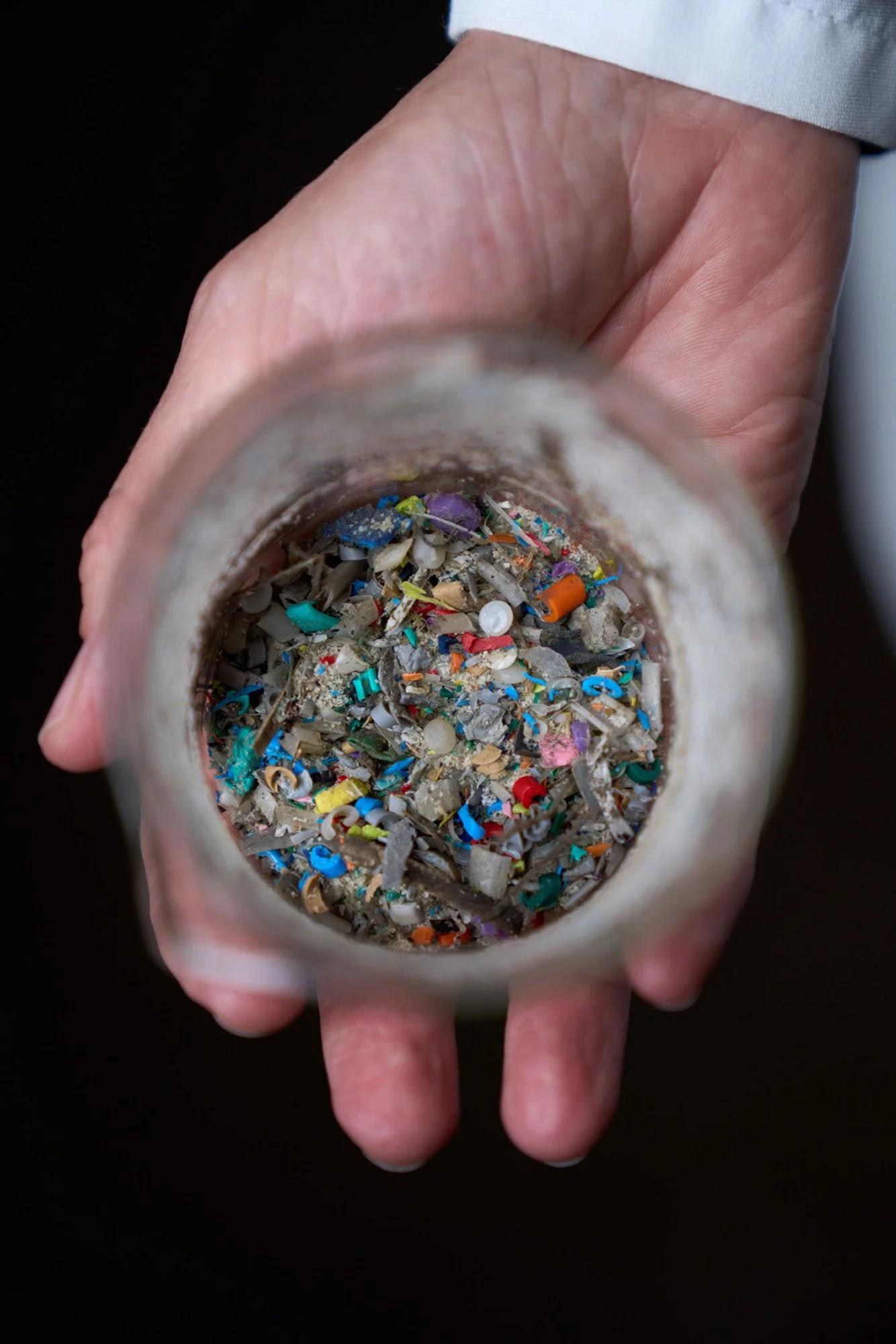
Led by Dr. Peller, Professor of Chemistry at Valparaiso University, this work focuses on deepening scientific understanding of plastic pollution and translating that knowledge into public awareness. With research previously supported by the National Science Foundation, she continues to collaborate with other researchers to study nanoplastic and microplastic pollution in the environment, helping build the evidence needed to inform meaningful action.
An example of progress in this field is Dr. Peller’s patent for methods of forming nanoplastics and agglomerating and removing microplastics and nanoplastics from water. This work highlights the importance of continued research and collaboration in advancing scientific understanding of plastic pollution and exploring potential solutions.
AREAS OF FOCUS
NANOPLASTIC AND MICROPLASTIC POLLUTION
Studying the presence, movement, and chemical transformation of plastic particles in the environment, ecosystems, and potential impacts on human health.
INTERDISCIPLINARY COLLABORATION
Working with researchers across fields to better understand the broader impacts of plastic pollution, including effects on human health and potential strategies for remediation and waste reduction.
FROM VALPO’S LABS TO THE GREAT LAKES
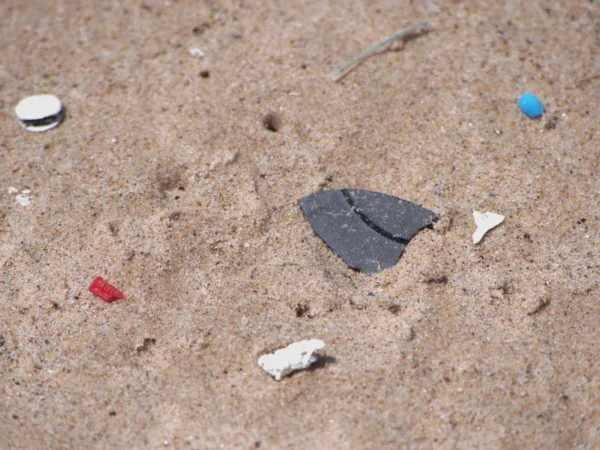
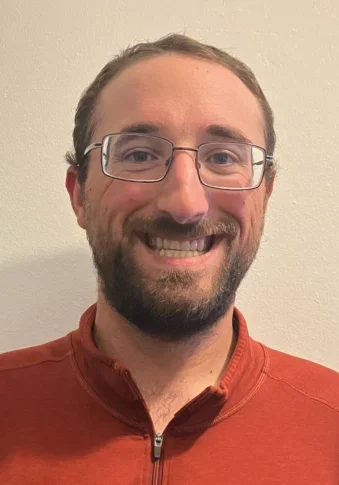
Valparaiso University researcher Eddie Kostelnik ’21 is investigating how microplastics move through the Great Lakes and interact with aquatic ecosystems. His work offers a closer look at the growing presence of microplastics in our waterways and the importance of understanding their impact on freshwater environments.

“Studies indicate that there are over 16,000 chemical additives in plastic materials,” Professor Peller says. “In addition to the plastic particle pollution, many of these other chemicals leach out under certain conditions.”
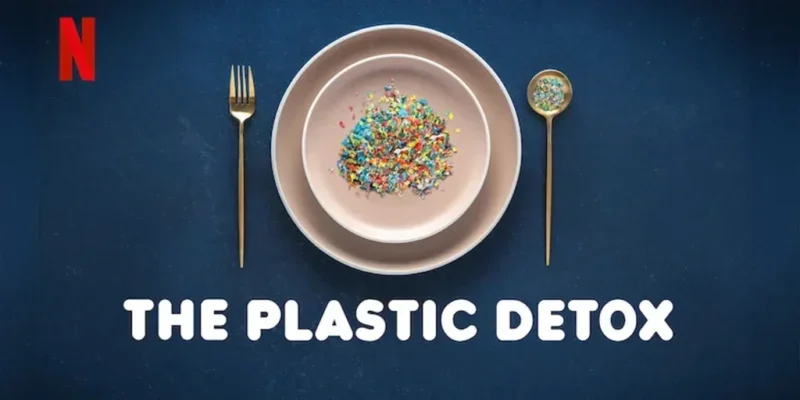
Want to understand the human impact? The Plastic Detox on Netflix explores how plastic chemicals and microplastics enter our bodies—and what that means for long-term health.